Demystifying API Architectural Styles: Choosing the Right Framework for Your Application
INTRODUCTION
In the ever-evolving landscape of software development, choosing the right architectural style for your application is akin to selecting the perfect tool for a given task. Each API architectural style comes with its unique strengths and characteristics, catering to different needs and scenarios. Let’s explore some of the prominent players in the API arena and dissect their attributes to help you make an informed decision.
SOAP (Simple Object Access Protocol)
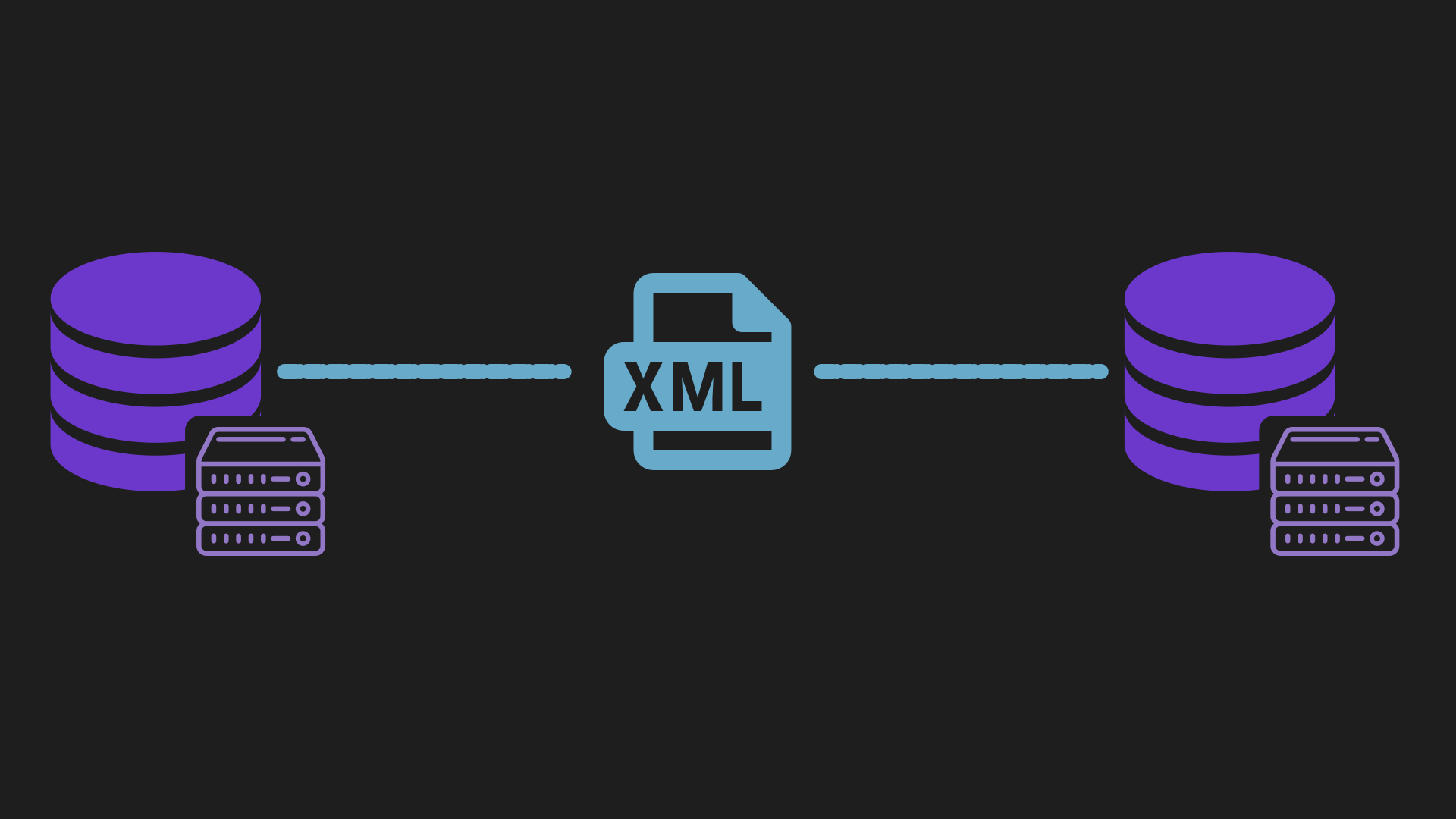
Power and Robustness: SOAP, on the other hand, is a heavyweight contender. It thrives on complexity and power, employing XML for defining structured communication. While it requires both a SOAP client and server, it compensates with its strength and robustness, much like a well-built off-road vehicle tackling rugged terrains.
XML-based, strict, favored in enterprises.
REST (Representational State Transfer)
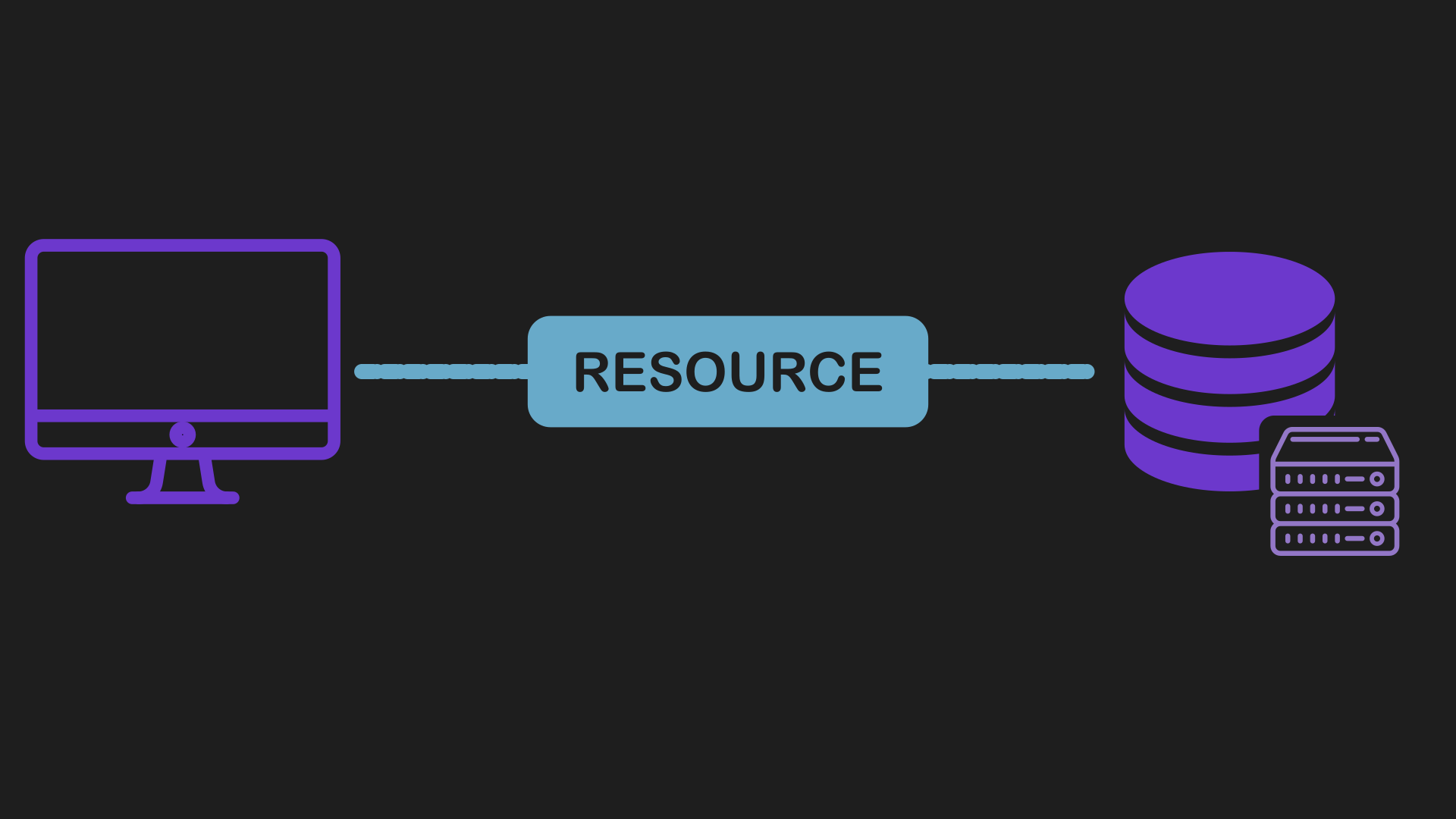
Simplicity and Ubiquity: REST, short for Representational State Transfer, is a venerable champion in the world of APIs. Its elegance lies in its simplicity and its reliance on HTTP methods for interaction with resources. REST’s ease of use makes it a go-to pattern for a multitude of applications and modern APIs.
Building Scalable APIs using standard HTTP Methods.
gRPC (Google Remote Procedure Call)
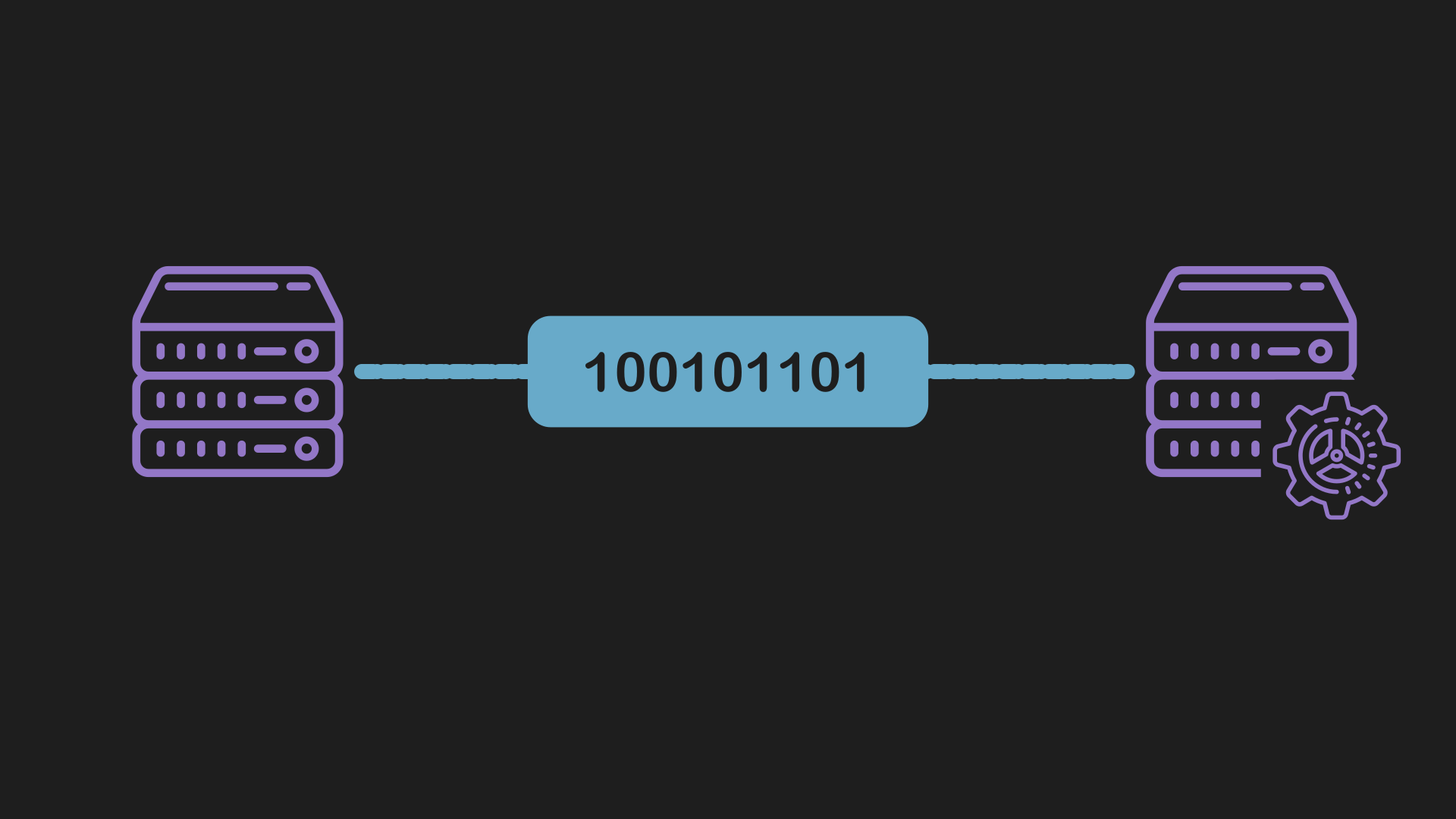
Speed and Performance: gRPC is the speedster of the API universe. It runs on HTTP/2 and utilizes binary data for lightning-fast performance, especially in microservices architectures. It’s like a high-speed train, ensuring quick and reliable communication.
High Performance Framework For Remote Procedure Calls, Using HTTP/2.
GraphQL
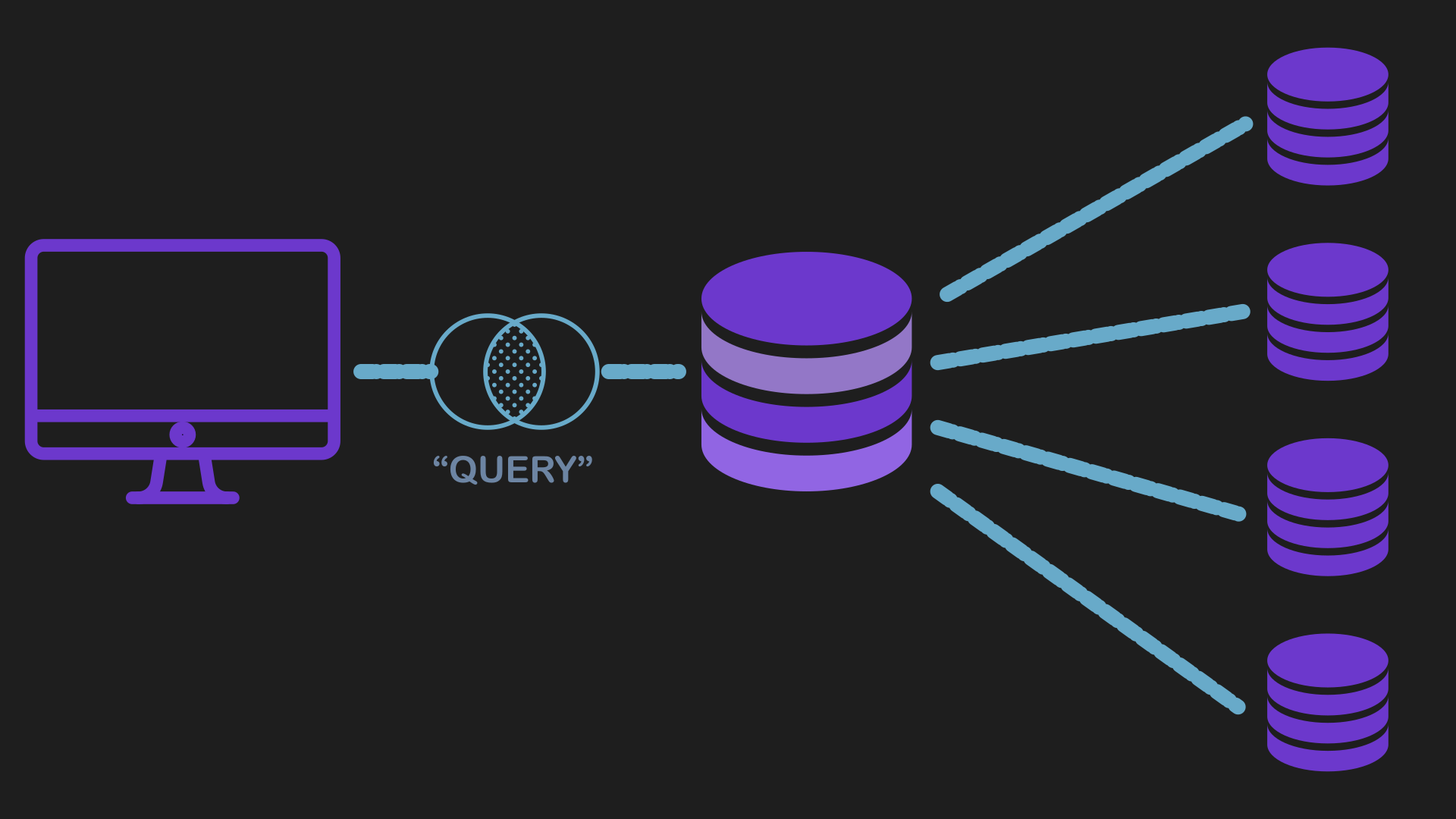
Flexibility and Precision: GraphQL, a rising star in the API cosmos, offers flexibility and precision. It allows clients to request precisely what they need, reducing redundancy and enhancing performance. Think of it as a personal shopper – you get just what you asked for, nothing more, nothing less.
Query Language for APIs, Allowing Clients to Request Specific data.
Webhooks
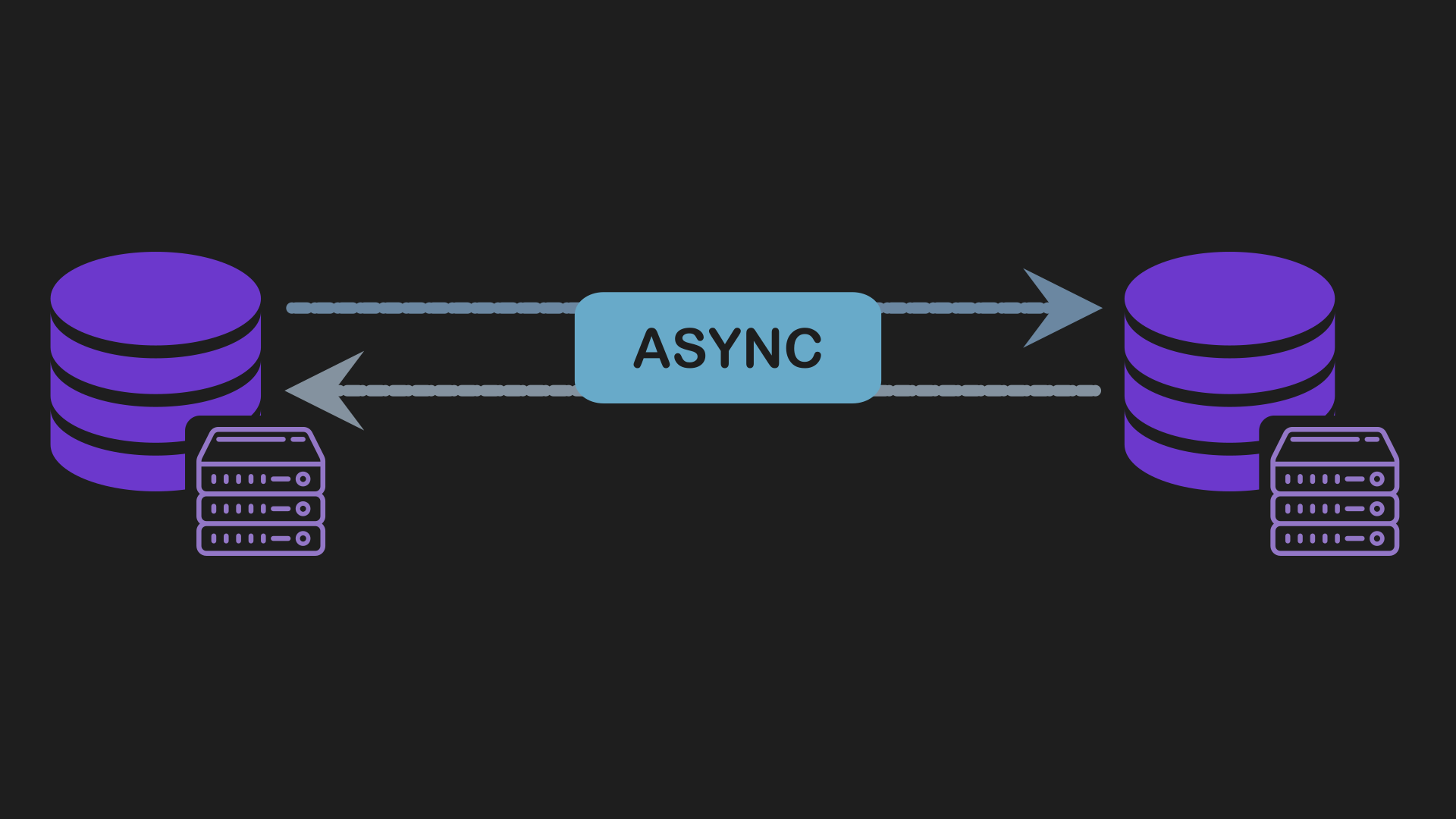
Event-Driven Notifications: Webhooks are the town criers of the digital world. They notify clients when certain server-side events occur, making them perfect for event-driven architectures. Imagine them as your personal alert system, keeping you informed of what matters.
Event-Driven, Server-Side Mechanism that sends HTTP Callbacks.
WebSockets
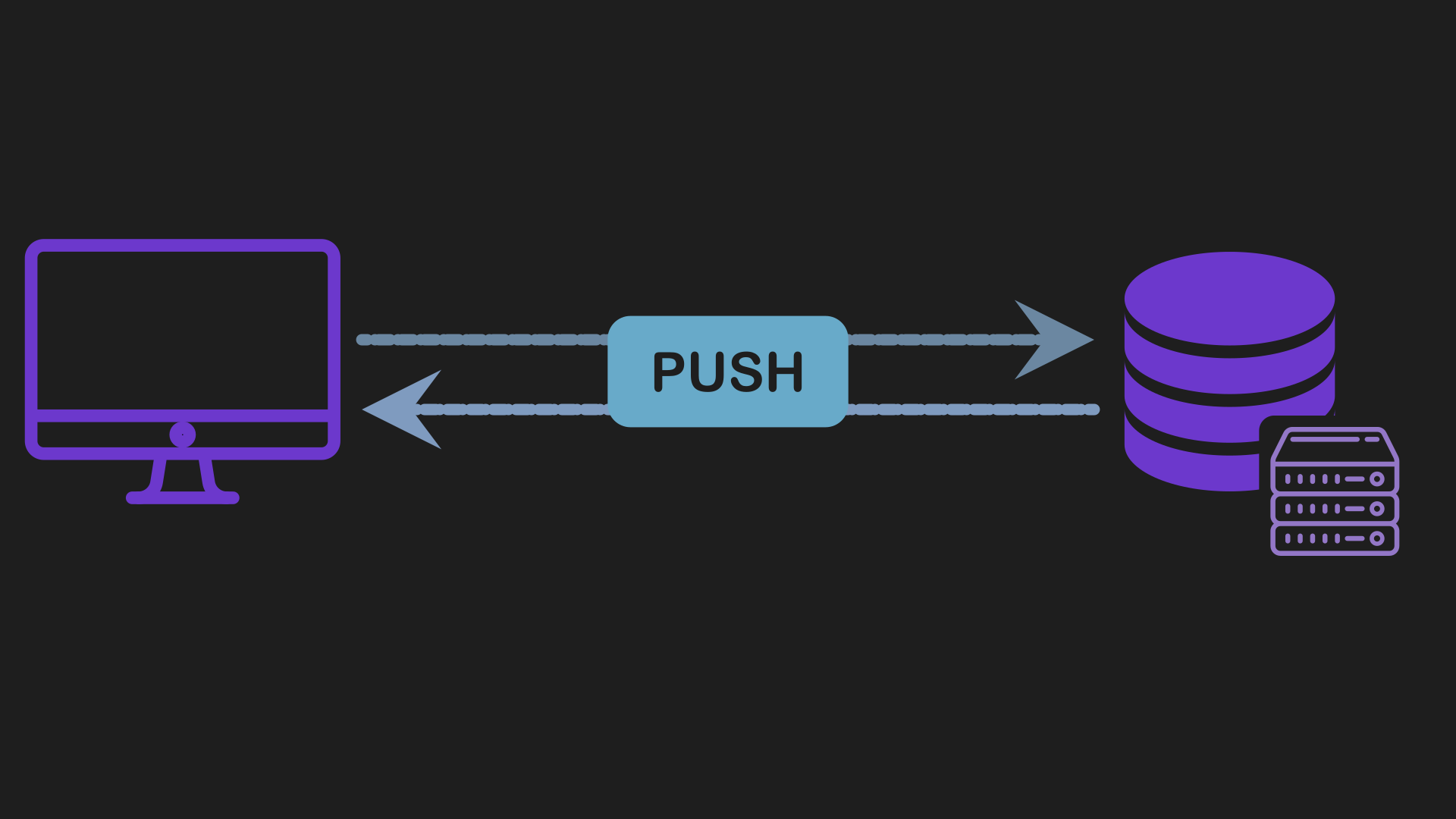
Real-time and Bi-directional Communication: For real-time and bi-directional communication needs, WebSockets are the answer. Ideal for chat applications, live streaming, and real-time data exchange, it’s like having an open telephone line between clients and servers.
Bidirectional, Real Time Communication (Protocol)
MQTT (Message Queuing Telemetry Transport)
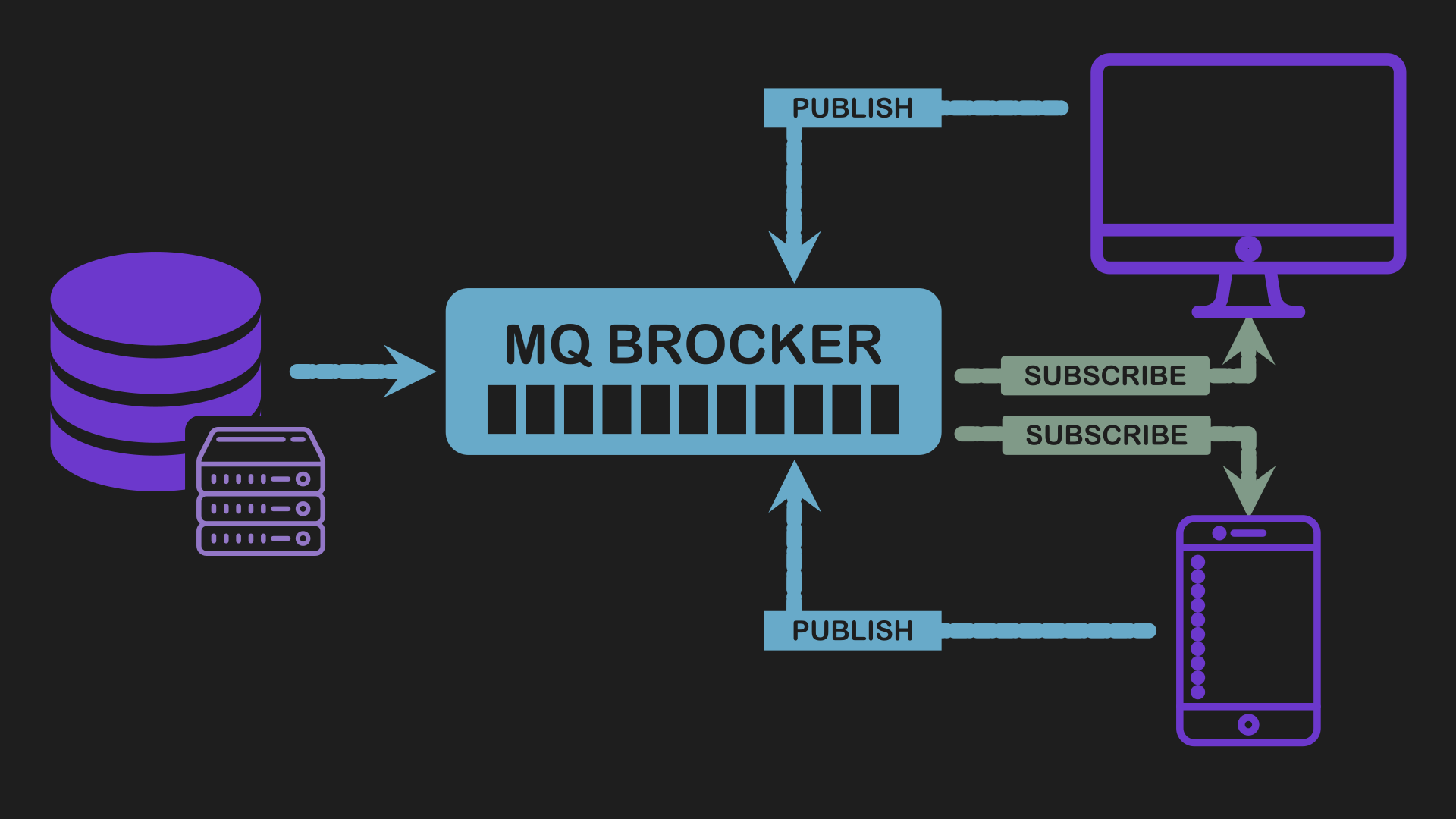
Lightweight Messaging: MQTT is a lightweight messenger, designed specifically for environments with limited resources, low bandwidth, and unreliable networks. Picture it as a postal worker determined to deliver your mail, come rain or shine.
Lightweight messaging protocol for constrained devices.
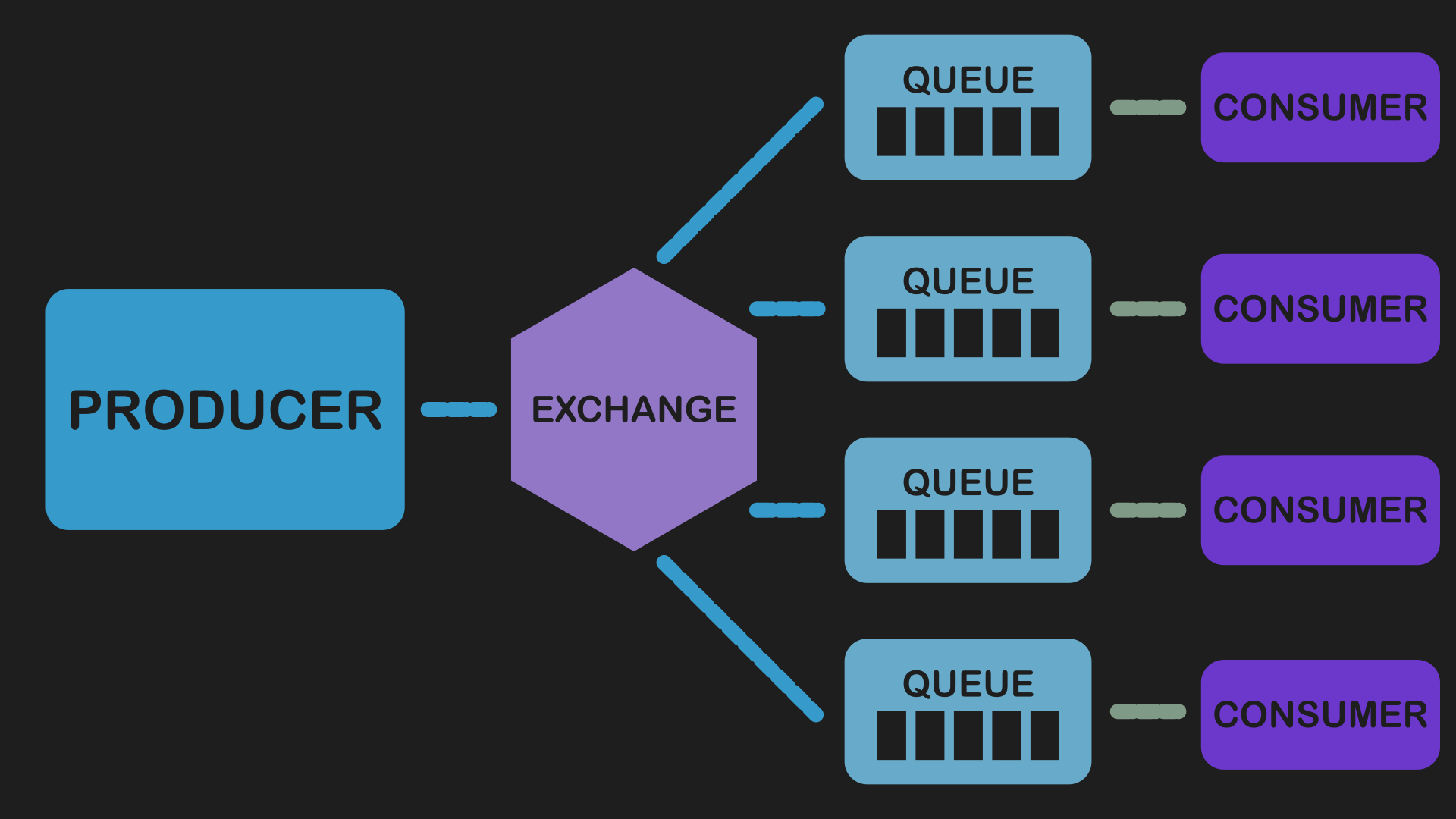
AMQP (Advanced Message Queuing Protocol)
Reliable Messaging: AMQP is a robust and standardized protocol that excels in middleware environments with its reliable messaging capabilities. It’s like a well-oiled assembly line, efficiently moving messages where they need to go.
Open messaging protocol for reliable communication.
Choosing the Right Architectural Style
The best API architectural style for a particular application will depend on several factors:
Type of Data Exchange: Consider the type of data that will be exchanged between the API and the client.
Performance Requirements: Assess the performance requirements of the API.
Security Needs: Evaluate the security requirements of the API.
Scalability Demands: Think about the scalability requirements of the API.
Once you’ve carefully considered these factors, you can begin to narrow down your choices and select the API architectural style that best aligns with your application’s specific needs. Remember, the right architectural style can significantly impact your application’s performance, scalability, and overall success. Choose wisely, and you’ll be well on your way to creating a robust and efficient software solution.